
What Does Check Engine Light Mean?
Quick Answer: The check engine light means your car's computer found a problem with the engine, fuel, or exhaust system. A solid light means you should get the code read within a few days. A flashing light means there is an active misfire that can damage the catalytic converter, so pull over and stop driving.
What Is the Check Engine Light?
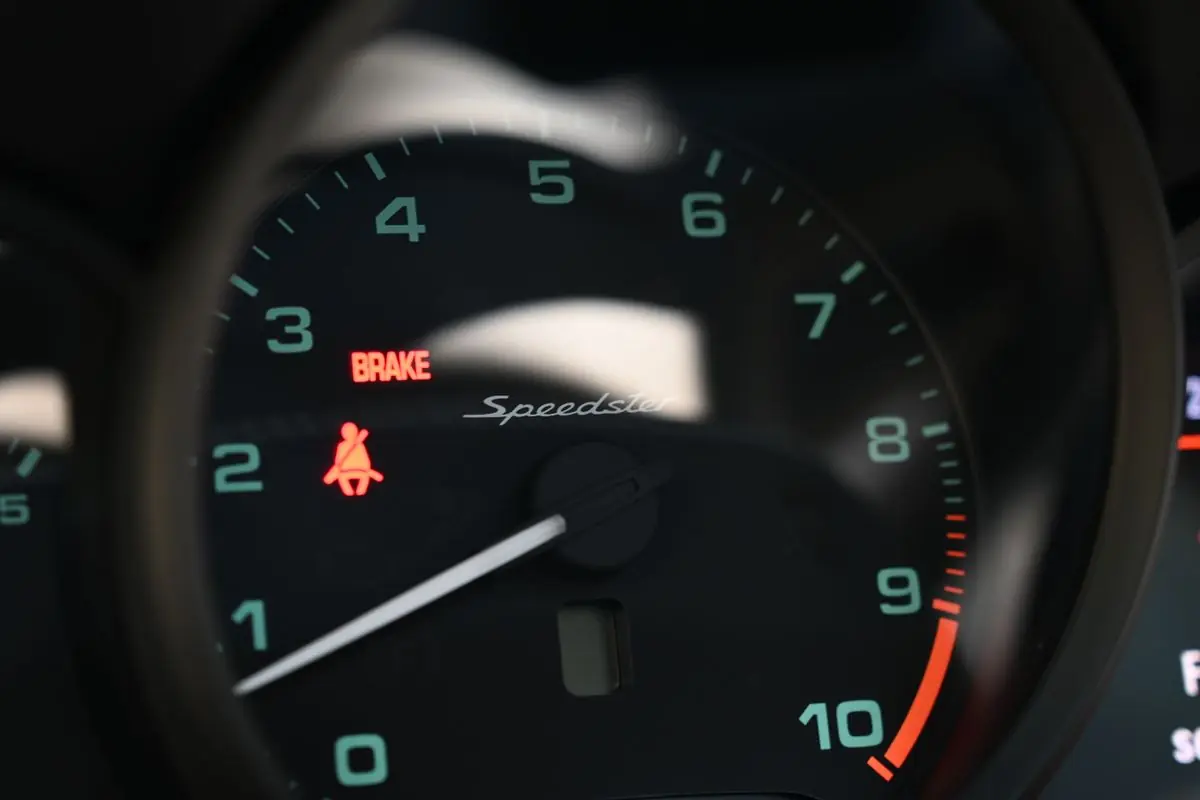
The check engine light means your car's computer found a problem with the engine, fuel, or exhaust system. A solid light means you should get the code read within a few days. A flashing light means there is an active misfire that can damage the catalytic converter, so pull over and stop driving. The light is officially called the Malfunction Indicator Lamp, or MIL, and it is the small engine-shaped symbol on your dashboard.
Every car and light truck sold in the United States since the 1996 model year uses the same system, called OBD-II. OBD stands for On-Board Diagnostics. Sensors all over your engine, fuel system, and exhaust watch for problems. When a sensor reads a value outside the normal range, the computer stores a code and turns on the light.
The code is called a diagnostic trouble code, or DTC. It is a five-character code, like P0457. The code is a clue, not a final answer. It tells a mechanic where to start looking, but it does not always name the exact broken part. For example, the code P0420 points to the catalytic converter system, but the real cause could be a bad oxygen sensor, an exhaust leak, or a worn converter.
The check engine light meaning is simple at its core: something in the engine, fuel, or emissions system needs attention. The light does not tell you how bad the problem is by itself. That is why you need to check whether it is solid or flashing, and read the code.
Solid Light vs Flashing Light: How Urgent Is It?
The first thing to check is whether the light is solid or flashing. This one detail tells you how urgent the problem is.
| Light | What It Means | What to Do |
|---|---|---|
| Solid amber light | A fault is stored. The car can usually still be driven. | Get the code read within a few days. |
| Solid light plus rough running | The engine is running badly, but not in crisis yet. | Drive gently to a shop soon. Do not wait weeks. |
| Flashing light | An active severe misfire. Raw fuel is entering the exhaust. | Pull over safely, switch off the engine, and call for a tow. |
| Light came on after fueling | Often a loose or damaged gas cap. | Tighten the cap and drive a few days to see if it clears. |
| Light came on, then went off | An intermittent fault. The code may still be stored. | Get the code read anyway. The problem can come back. |
A flashing light is the one case where you should not keep driving. An active misfire sends unburned fuel into the exhaust, and that can destroy the catalytic converter in minutes. A new catalytic converter can cost $1,000 to $2,500, so stopping early saves real money.
What to Do When the Check Engine Light Comes On
Follow these steps in order. They take only a few minutes and they can save you a repair bill.
- Check if the light is solid or flashing. If it is flashing, pull over and stop. If it is solid, keep reading.
- Look at the other gauges. Is the temperature gauge in the red? Is the oil pressure light on too? If yes, stop driving and call for help.
- Tighten the gas cap. A loose gas cap is the most common cause. Turn it until it clicks. If the cap is cracked or the seal is worn, replace it. A new cap costs about $10 to $25.
- Note what changed. Did the light come on right after fueling? After a cold morning? After hitting a bump? This helps the mechanic.
- Check your oil level. Low oil can trigger the light, because modern engines use oil pressure to control parts of the valve timing system. See our guide on how to check oil for the full steps.
- Get the code read. Most auto parts stores in the US will read the code for free. O'Reilly, AutoZone, and Advance Auto Parts all offer free scans for cars from 1996 to today. Write down the code and the exact words that come with it.
- Check for recalls. Use your VIN on the NHTSA website to see if your car has an open recall that matches the problem. Recalls are fixed free by the dealer.
Common Causes and Typical Repair Costs
No other top article gives repair costs, but cost is the first question every driver asks. Here are the most common causes, with typical US repair cost ranges. Prices vary by vehicle, location, and shop, but these ranges are a fair guide.
| Cause | Common Code | Typical Repair Cost | Urgency |
|---|---|---|---|
| Loose or damaged gas cap | P0457, P0455 | $0 to $25 | Low |
| Failing oxygen sensor | P0130 to P0167 | $200 to $400 | Medium |
| Worn spark plugs | P0300 to P0306 | $150 to $350 | Medium |
| Bad ignition coil | P0300 to P0306 | $150 to $400 per coil | Medium |
| Dirty mass airflow sensor | P0101 | $10 to clean, $80 to $300 to replace | Medium |
| Failing catalytic converter | P0420, P0430 | $1,000 to $2,500 | High |
| EVAP hose or valve leak | P0442, P0456 | $150 to $400 | Low to medium |
The gas cap is the cheapest fix and the most common cause. Before you pay for anything else, make sure the cap is tight and in good shape. Drive for a few days after tightening it. The light may clear on its own if the cap was the problem.
An oxygen sensor measures how much oxygen is in the exhaust. When it fails, your car burns more fuel and the engine runs rough. Spark plugs and ignition coils cause misfires, which feel like shaking or a loss of power. A dirty mass airflow sensor can sometimes be fixed with a $10 can of cleaner made for that sensor. Never use brake cleaner or carb cleaner on it.
From Light to Fix: The Diagnostic Flow
Top Diagnostic Trouble Codes Decoded
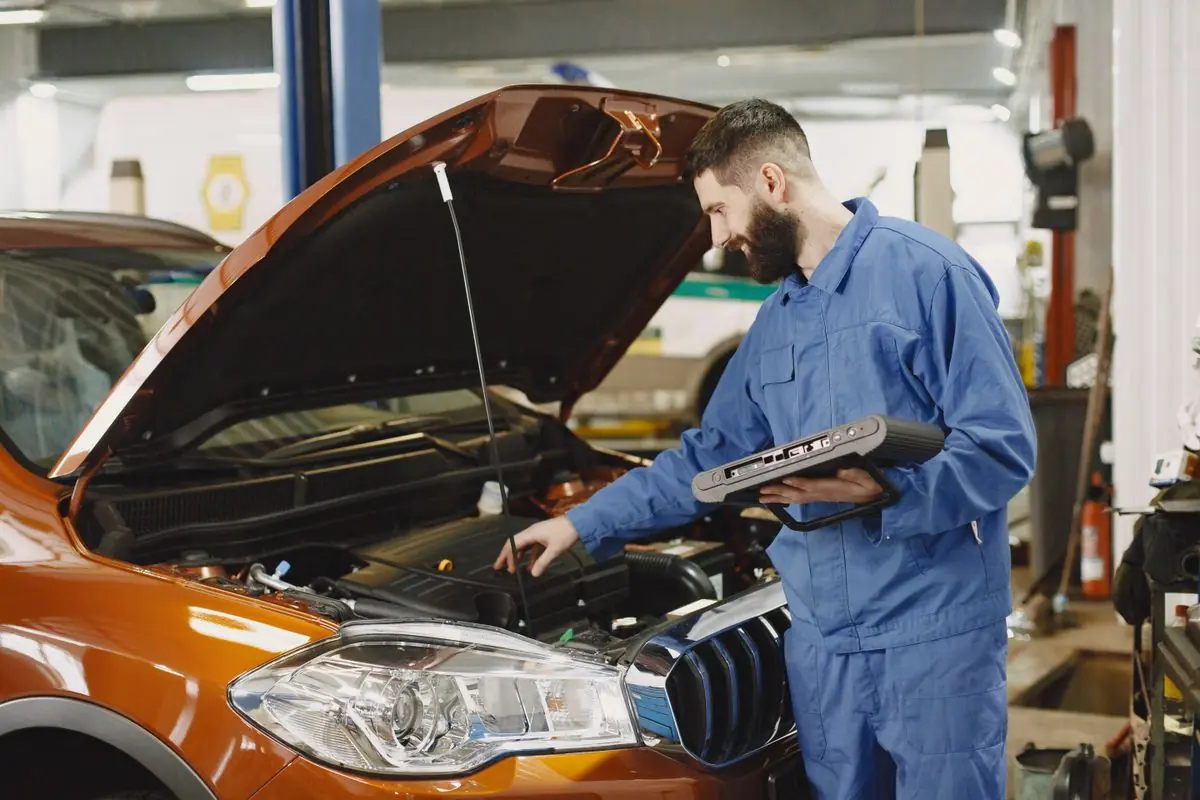
When a shop reads your code, you will see a five-character code. Here are the most common ones, in plain English.
| Code | Plain-English Meaning | Likely Cause | Urgency |
|---|---|---|---|
| P0457 | EVAP leak, loose gas cap | Gas cap loose or cracked | Low |
| P0455 | Large EVAP leak | Gas cap, hose, or valve leak | Low |
| P0456 | Small EVAP leak | Small hose crack or cap seal | Low |
| P0442 | Small EVAP leak detected | EVAP hose or purge valve | Low |
| P0420 | Catalytic converter below efficiency, bank 1 | Worn converter or bad O2 sensor | High |
| P0430 | Catalytic converter below efficiency, bank 2 | Worn converter or bad O2 sensor | High |
| P0300 | Random misfire detected | Plugs, coils, or fuel problem | Medium to high |
| P0301 to P0306 | Misfire in cylinder 1 to 6 | Plug or coil on that cylinder | Medium to high |
| P0171 | System too lean, bank 1 | Vacuum leak or weak fuel pump | Medium |
| P0174 | System too lean, bank 2 | Vacuum leak or weak fuel pump | Medium |
| P0401 | Exhaust gas recirculation flow low | Clogged EGR valve or passages | Medium |
| P0101 | Mass airflow sensor problem | Dirty or failing MAF sensor | Medium |
Bank 1 means the side of the engine with cylinder 1. Bank 2 is the other side. If you only see one code, start with that system. If you see several codes, the first code listed is often the root cause, and the others are side effects.
Diagnose by Symptom: A Simple If/Then Guide
If you know the symptom, you can narrow the cause before you even read the code.
- Light plus rough idle or shaking: likely a misfire. Check spark plugs and ignition coils first.
- Light plus fuel smell: likely an EVAP leak. Check the gas cap and the hoses near the fuel tank.
- Light plus poor gas mileage: likely a bad oxygen sensor or a dirty mass airflow sensor.
- Light plus loss of power on hills: likely a clogged catalytic converter or a failing fuel pump.
- Light only on cold mornings: likely a weak battery, worn spark plugs, or a small EVAP leak from shrinking rubber seals.
- Light plus a hissing sound: likely a vacuum hose leak.
This is a starting point, not a diagnosis. Always read the code to confirm.
Can I Drive With the Check Engine Light On?
It depends on how the car feels.
- Solid light, car drives normally: yes, for a few days. Get the code read soon. Do not ignore it for weeks, because a small problem can turn into a big repair.
- Solid light, car runs rough: drive gently and only as far as you need to reach a shop. Avoid highways and hard acceleration.
- Flashing light: no. Pull over and stop. Driving with a flashing light can destroy the catalytic converter.
- Flashing light plus shaking or stalling: stop right away and call for a tow.
If you are unsure, the safe choice is to get the code read before you drive far. A free scan at a parts store takes about five minutes.
Will My Car Pass Inspection With the Light On?
In most US states that test emissions, a car with the check engine light on will fail the OBD-II emissions test. The test reads the car's computer, and a lit light is an automatic fail.
Clearing the code does not fix the problem for the test. When you clear a code, the car's readiness monitors reset. The test will fail until the monitors complete again, which takes several days of normal driving. The right order is: read the code, fix the problem, clear the code, then drive normally for several days before the test.
If your state does not test emissions, the light will not affect your inspection, but you should still fix the cause.
How to Turn Off the Check Engine Light
The correct order is simple. Do not skip steps.
- Read the code with a scanner or a free scan at a parts store.
- Repair the cause. Tightening the gas cap counts as a repair if that was the cause.
- Clear the code with a scanner, or ask the shop to clear it after the repair.
- Drive normally for several days so the readiness monitors can complete.
Do not just disconnect the battery to clear the light. That is a temporary trick. The computer will relearn the problem and the light will come back within a few miles. Fix the cause first.
Check Engine Light in Cold Weather
Cold weather can trigger the light for a few reasons. A weak battery gives low voltage, and low voltage can confuse the sensors. Rubber seals and hoses shrink in the cold, which can open a small EVAP leak. Worn spark plugs also misfire more often on cold starts.
If the light comes on during a cold snap and the car still runs fine, get the code read. If it is an EVAP code, it may clear when the weather warms up, but the code will still be stored. If it is a misfire code, replace the plugs before winter gets worse. For more on cold-weather problems, see our guide on why is my check engine light on.
When to Stop Driving Right Away
Stop driving and call for help if you see any of these:
- The check engine light is flashing.
- The engine is shaking, stalling, or losing power badly.
- You see smoke, or you smell burning or raw fuel.
- The temperature gauge is in the red, or the oil pressure light is on.
- You hear loud knocking or grinding from the engine.
Safety note: Never open the radiator cap when the engine is hot. Never keep driving a car that is overheating, losing oil pressure, or shaking hard. Pull over somewhere safe, turn on your hazard lights, and call for a tow. A tow costs far less than a new engine.
Frequently Asked Questions
Does the check engine light mean I need an oil change?
No, not directly. The check engine light means the computer found a fault in the engine, fuel, or exhaust system. Low oil can trigger it, but the light is not an oil change reminder. Check your oil level, and see our guide on how to check oil for the steps.
How long can I drive with the check engine light on?
If the light is solid and the car drives normally, a few days is usually fine. Get the code read as soon as you can. If the light is flashing, do not drive at all.
Can a loose gas cap cause the check engine light?
Yes. It is the most common cause. A loose or cracked gas cap lets fuel vapor escape, and the computer stores an EVAP code like P0457. Tighten the cap until it clicks and drive for a few days. The light may clear on its own.
Where can I get the code read for free?
Most large auto parts stores in the US read codes for free, including O'Reilly, AutoZone, and Advance Auto Parts. They can read the code but they cannot clear it in the store.
Will the check engine light reset itself?
Sometimes. If the problem was temporary, like a loose gas cap, the light may turn off after a few normal drives. If the problem is still there, the light will stay on. The code can remain stored even after the light goes out.
Is the check engine light the same as Service Engine Soon?
Yes. Some cars, mostly older GM models, say "Service Engine Soon" instead of showing an engine symbol. It means the same thing.
Reviewed by the AutoFixr Editorial Team. Every fact in this guide was checked against manufacturer service information, NHTSA guidance, and published repair data. Prices are typical US ranges and vary by vehicle, location, and shop.